Estimate filament for a multi-part project
Build a material estimate around the final sliced parts, supports and a realistic allowance for revisions.
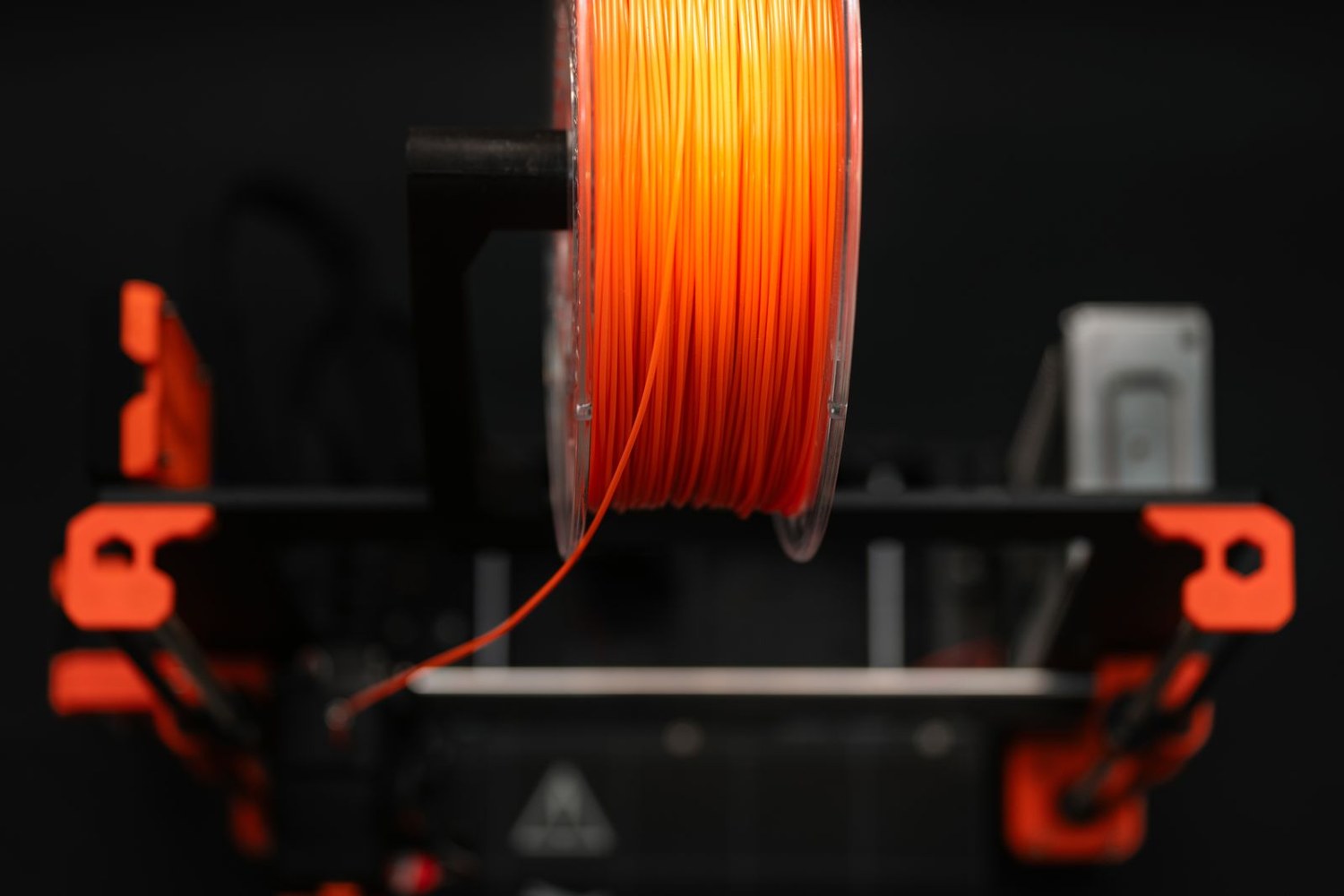
The volume of a model on screen is not a shopping list. A multi-part project may need supports, brims, test pieces and replacement components. Begin by listing every intended part with its quantity and colour. Include small joining pieces that are easy to overlook when the large landscape tile dominates the design.
Slice the parts in their planned orientations using the actual profiles. Record the material estimate for each plate, making clear whether the slicer total already includes supports and other generated structures. Do not add them twice. If you have not chosen the orientation, treat the number as provisional rather than presenting it as a precise requirement.
For example, four identical panels can share one estimate multiplied by four, while the special corner panel needs its own. Keep a separate line for test coupons. If two colours are involved, calculate each colour separately: a large total amount of plastic is no help when the spool needed for the roof is nearly empty.
Check the remaining material using a method appropriate to the spool. If you weigh it, subtract the empty spool mass only when that mass is known. Different spool designs weigh different amounts, and packaging is not printable material. A visual estimate through the spool windows may be useful for a rough decision but should not be treated as an accurate reserve for a long job.
Add a stated allowance for the work you reasonably expect. A familiar repeated panel needs a different reserve from a first attempt at an interlocking harbour set. Instead of adopting a universal percentage, list likely extra jobs: one fit sample, one paint sample and a spare fragile railing. This makes the estimate understandable and lets you remove allowances as the design becomes proven.
Keep the project flexible if the available material is marginal. Finish one complete subassembly before filling the plate with decorative extras, and avoid mixing visibly different batches across adjacent unpainted panels without a comparison. Record actual consumption when the project finishes. The difference between estimate and use can inform the next similar job, provided you also note which parts were revised or reprinted.
Another detail to explore
Choose a first 3D printer around the objects you want to make
Start with three objects, their dimensions and the space available for making them. Those decisions narrow the printer search before speed claims do.
Read article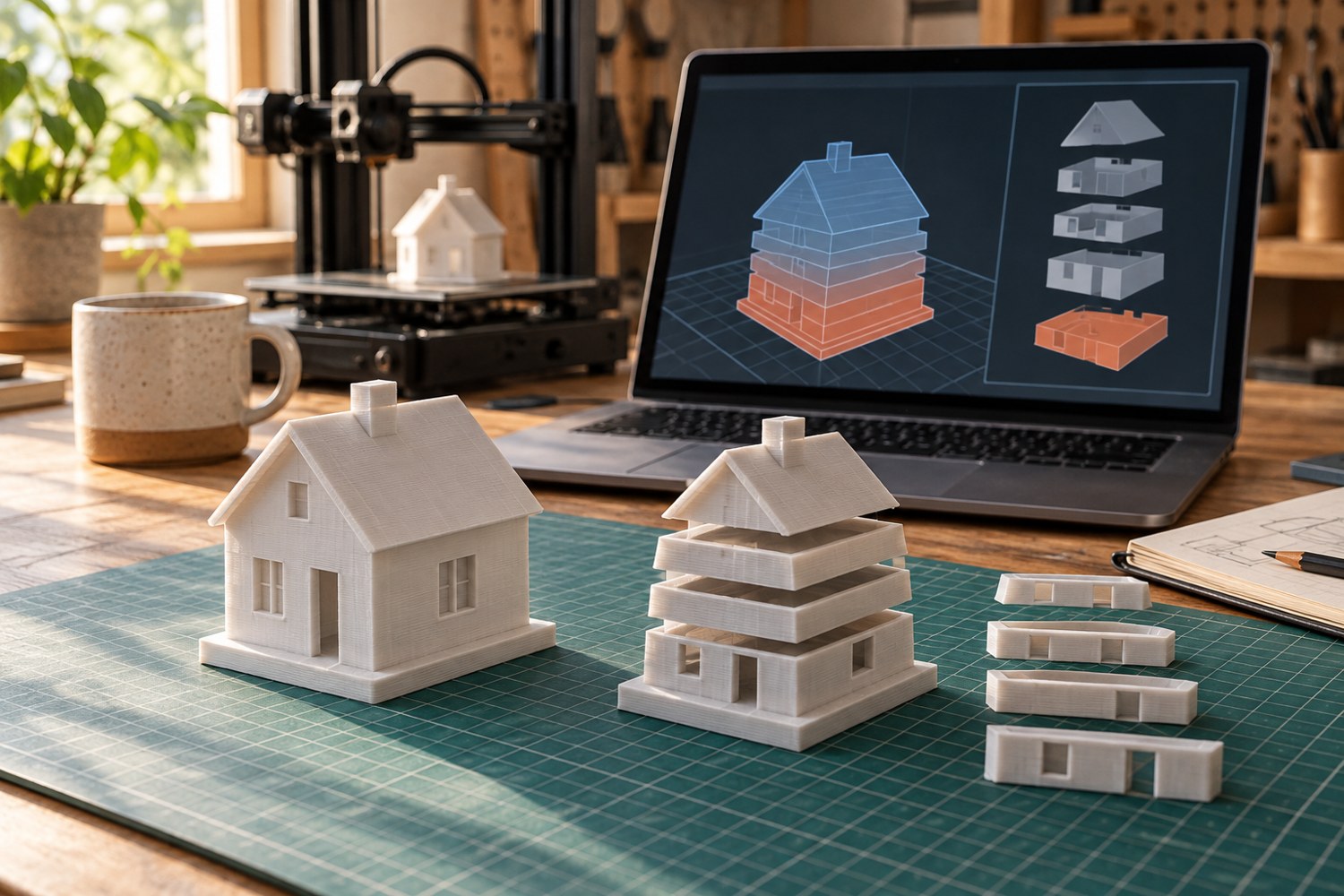
Read a sliced preview before starting a print
Read the toolpaths, first layer and delicate features before a file reaches the printer.
Read article