Make a dimension checklist before ordering a printed part
Give a printing service the dimensions and relationships that determine success, rather than asking it to infer them from a mesh alone.
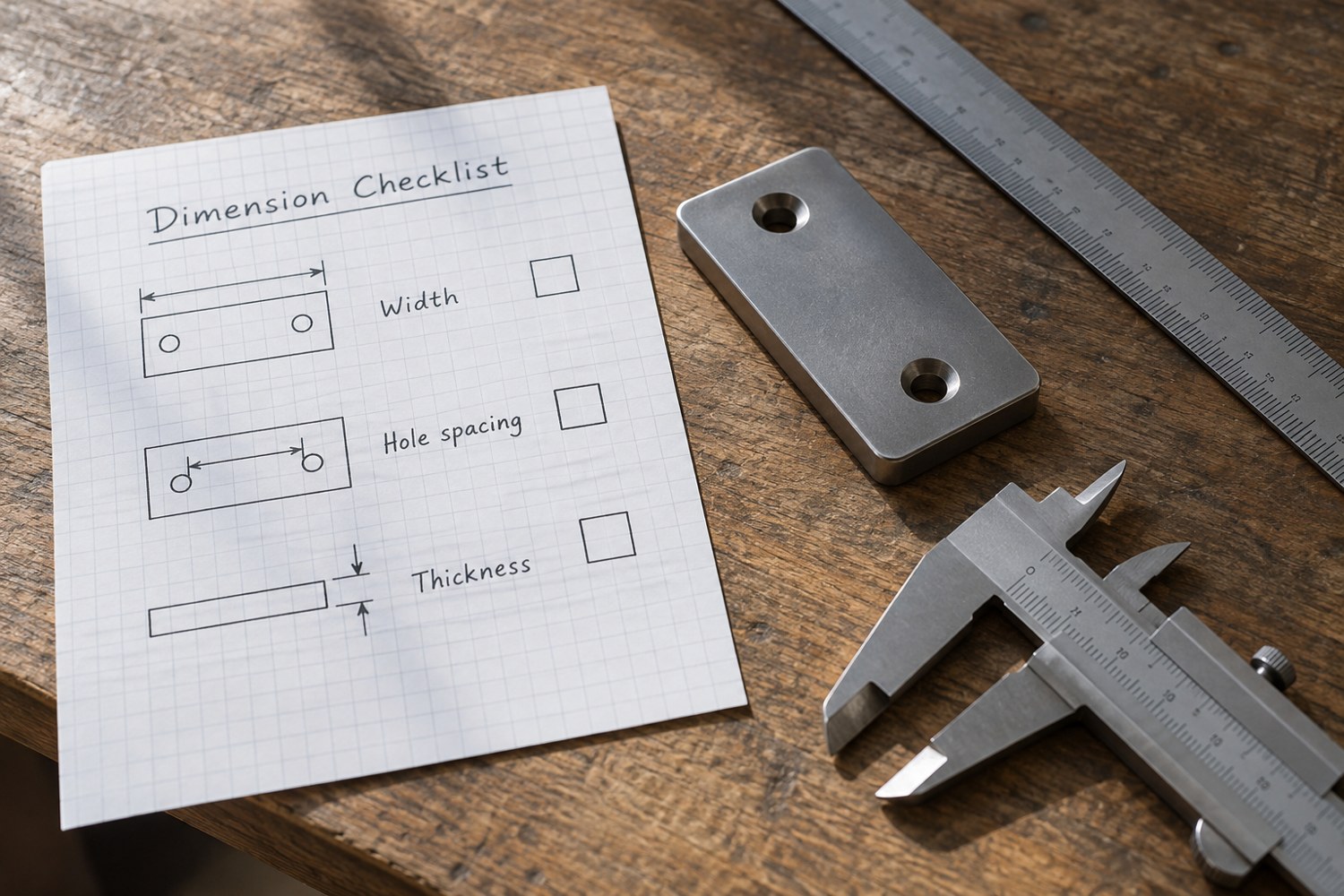
Before ordering a printed part, write down what must be true when it arrives. A display object may mainly need to fit a case. A lid must also meet another component. A miniature building may need a removable roof and a particular scale. These requirements should accompany the file rather than remain in your head.
Choose the dimensions that determine the job. Overall width, depth and height establish the envelope, but they may not describe the important interface. Add the opening size, locating distance or mating surface that affects fit. State the units clearly and identify where each measurement is taken on a simple drawing.
Describe the intended use without inventing specifications
Tell the service whether the part is a visual model, a handled game component or something that must fit another object. Explain the expected environment and finish where relevant. Ask the provider which process and material it proposes for that use. Do not treat a familiar material name as proof that every supplier's version will behave identically.
Separate a target dimension from an acceptable variation. If the part must fit something, provide the mating object's measurements and explain the required behaviour. Avoid inventing a tight tolerance because it sounds precise. Ask what the service can reliably provide and whether a test piece is appropriate before ordering the complete model.
Identify surfaces that matter
Mark visible faces, contact areas and any surface where cleanup marks would be especially noticeable. Indicate whether the roof or lid must remain separate. If orientation affects an important detail, discuss it rather than embedding an unexplained expectation in the filename.
For a hypothetical display cover base, the outer width may be less important than the ledge on which the cover rests. A drawing showing that ledge and the intended seating relationship can prevent both parties from checking the wrong measurement. Include the actual cover dimensions if available, with a note describing how they were measured.
Review the quotation against the brief
Check whether the proposed service includes support removal, cleaning, curing where applicable, assembly or finishing. Do not assume that printed means ready for every intended use. Ask which stages are included and what the delivered surface condition will be.
Confirm the file revision before approving the order. If you send an updated model, explicitly identify the superseded version and request confirmation that the new one is being used. A correction in an email thread does not guarantee that an earlier attachment has been replaced in the production workflow.
Keep the accepted drawing, file and correspondence together. On receipt, compare the part with the agreed criteria before painting or modifying it. Photograph any issue clearly and contact the service using the agreed revision information. A concise dimensional brief makes the purchase easier to evaluate and gives both maker and customer a shared description of the object being ordered.
Another detail to explore
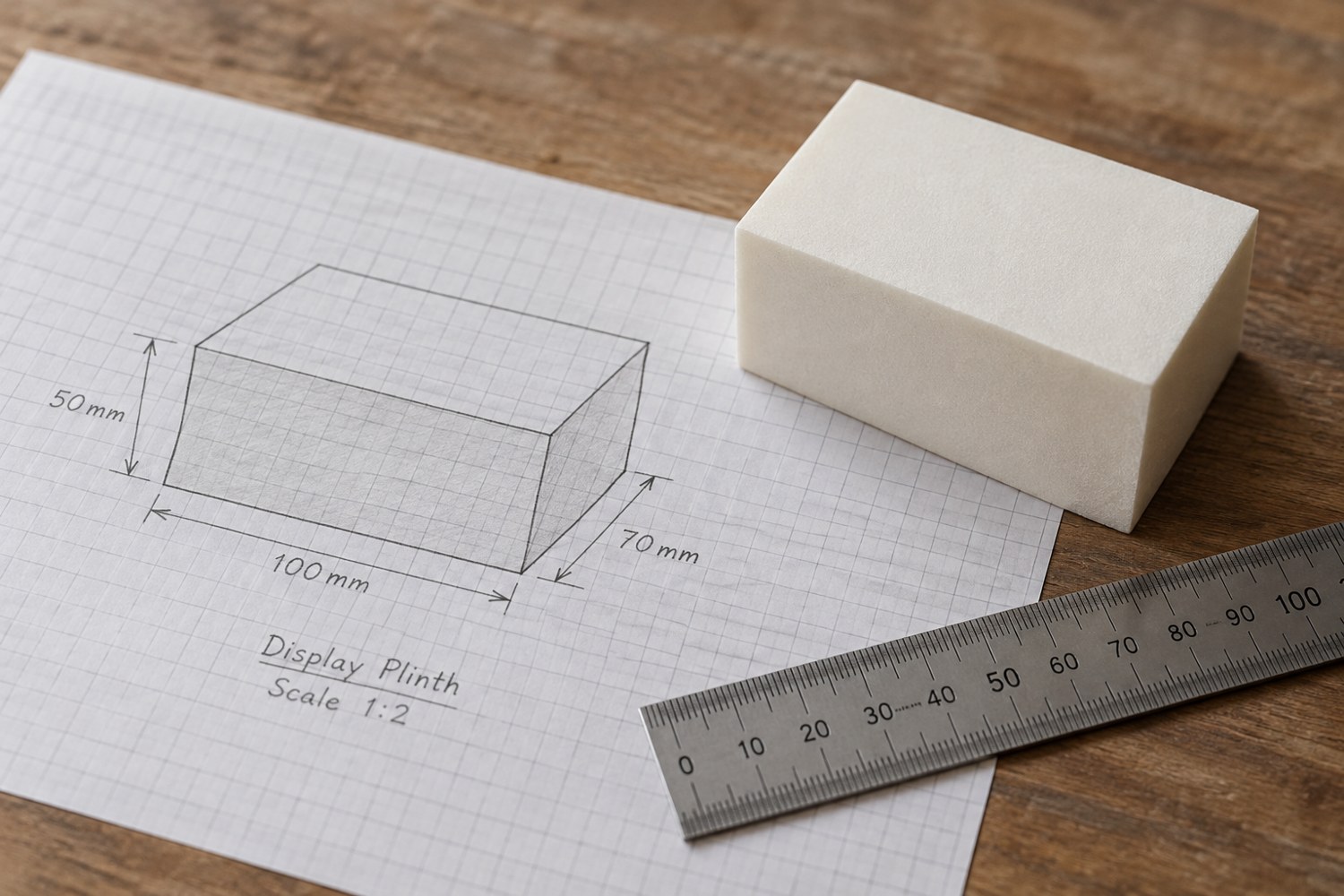
Start a model with dimensions instead of details
Build a short dimensional brief before adding bevels, textures or decorative features. It gives every later modelling decision a reference.
Read article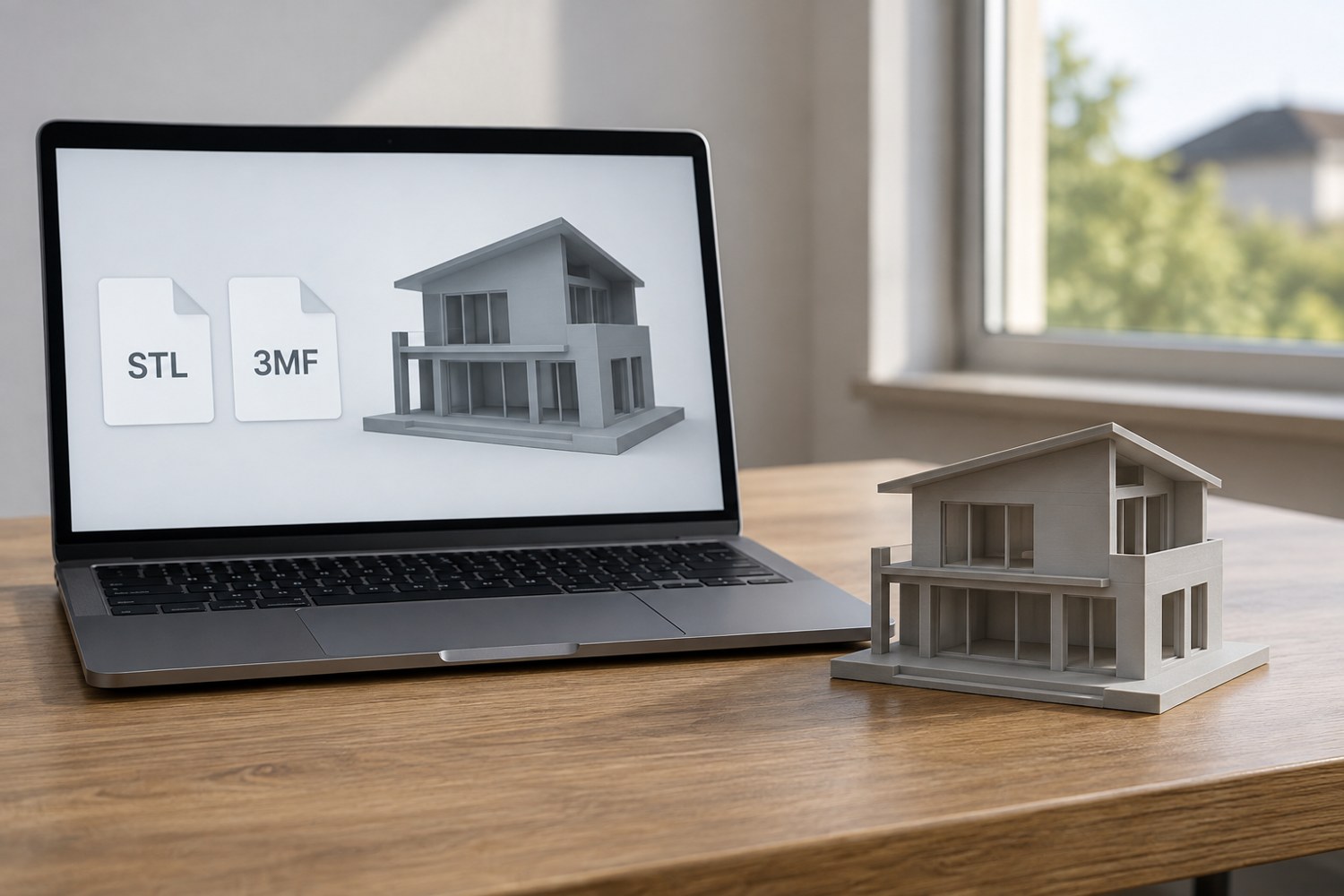
Understand STL and 3MF when sharing a print project
An STL mesh and a saved 3MF project can carry different information. Decide what a recipient needs before choosing the file to send.
Read article