Choose containers for unfinished model parts
Store work in progress so the next session begins with identifiable parts and a clear remaining task.
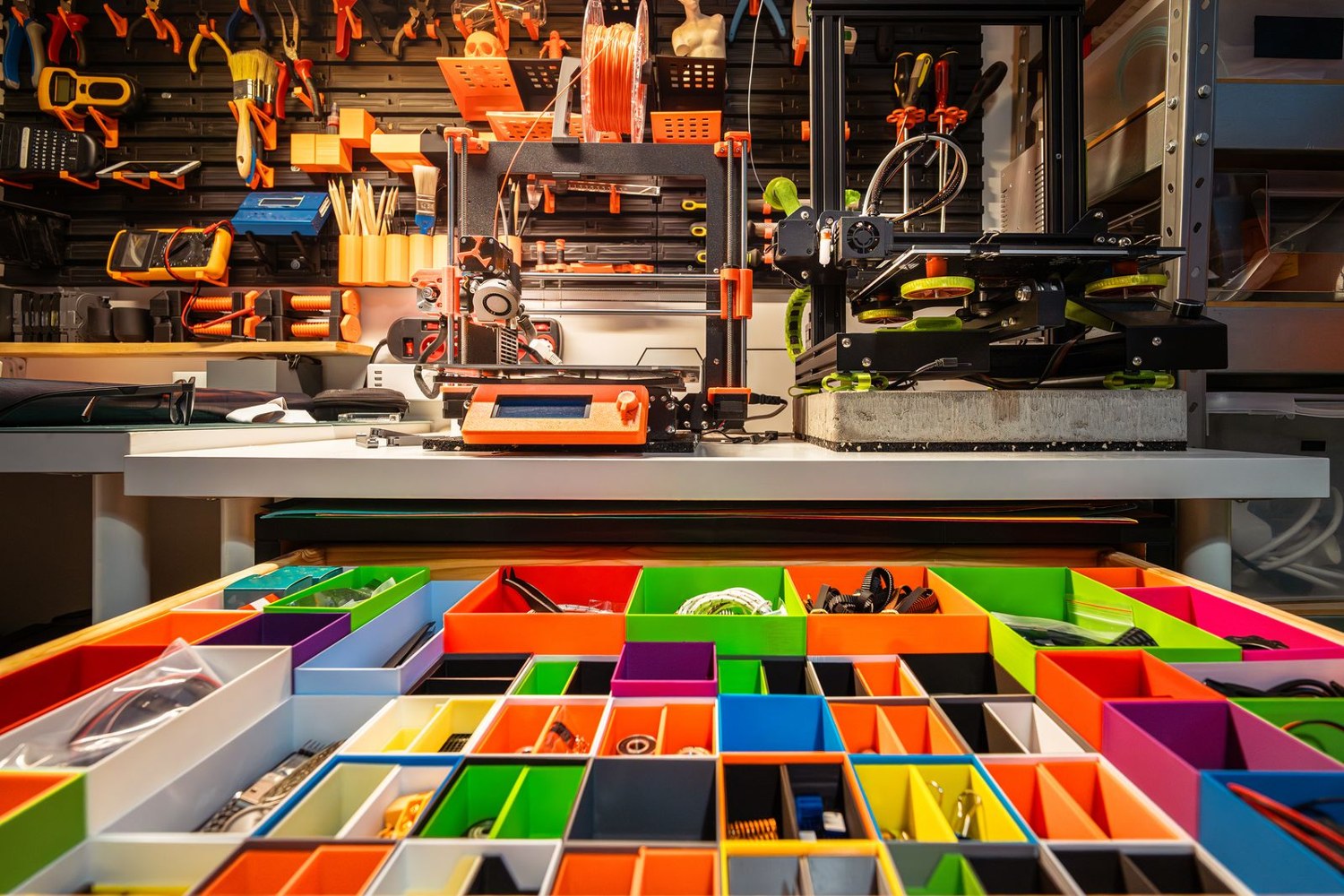
An unfinished model is often more vulnerable in storage than during careful assembly. Loose pieces can rub together, thin details can catch under a lid and an unlabelled bag can lose its connection to the project. Choose containers around the current state of the parts rather than treating every box as interchangeable.
Start with the largest and most fragile component. Measure its complete outline, including projecting details, and leave room to lift it without gripping those details. A low tray may suit flat terrain tiles, while a taller container may protect an upright building. Check the lid clearance with a harmless spacer before closing it over a delicate model.
Separate parts that could damage one another. Use suitable dividers or individual compartments, and choose any padding for compatibility with the surface and coating. Do not pack a finish before it has reached the handling condition specified by its manufacturer. A surface that feels dry can still mark when pressed against storage material.
Label the container with the project, revision and stage. “Roof cleaned; walls awaiting primer” is more useful than “unfinished.” Keep a parts list or assembly sketch with it, protected from dust and residues. Put small connectors in an identified inner bag so that they cannot disappear beneath larger pieces.
Keep chemically active or contaminated work out of ordinary clean project storage. Resin parts with incomplete processing and open adhesives need the arrangements required by their product guidance, not a lidded craft box that merely hides them. A storage label should never substitute for completing the necessary washing, curing or safe handling steps.
Before putting the project away, write the next action and any unresolved question. Include a reference to the file version if another part must be printed. When returning, compare the contents with the list before beginning work. A few minutes of identification prevents a later session from gluing an obsolete test part into the final model simply because it was the first piece found in the box.
Another detail to explore
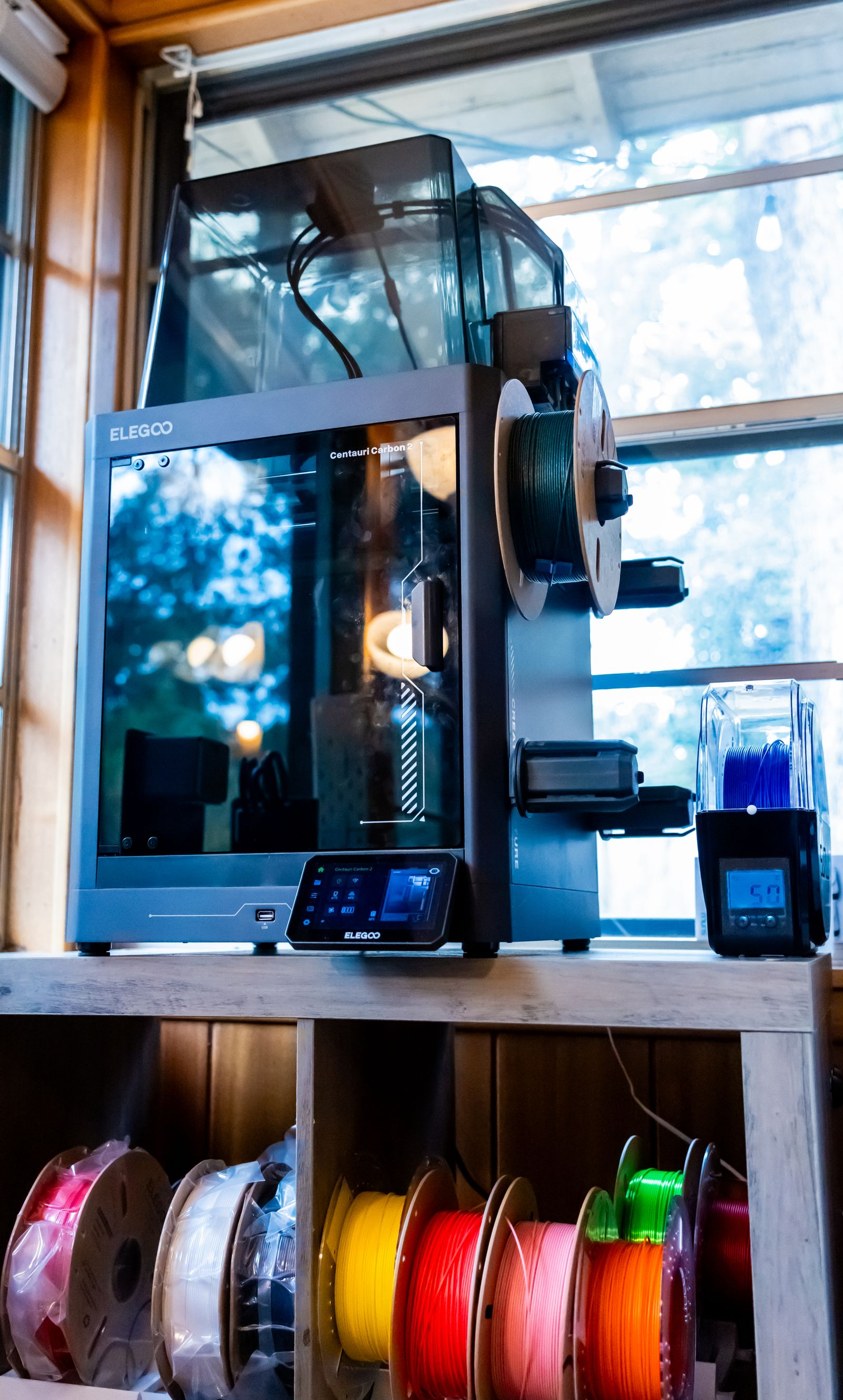
Store filament with a label you can actually use
Keep material identity, opening date and profile information with the spool through storage and use.
Read article
Choose between PLA and PETG for an indoor model
Choose material around handling, shape and finishing rather than treating one polymer as a universal upgrade.
Read article