Store filament with a label you can actually use
Keep material identity, opening date and profile information with the spool through storage and use.
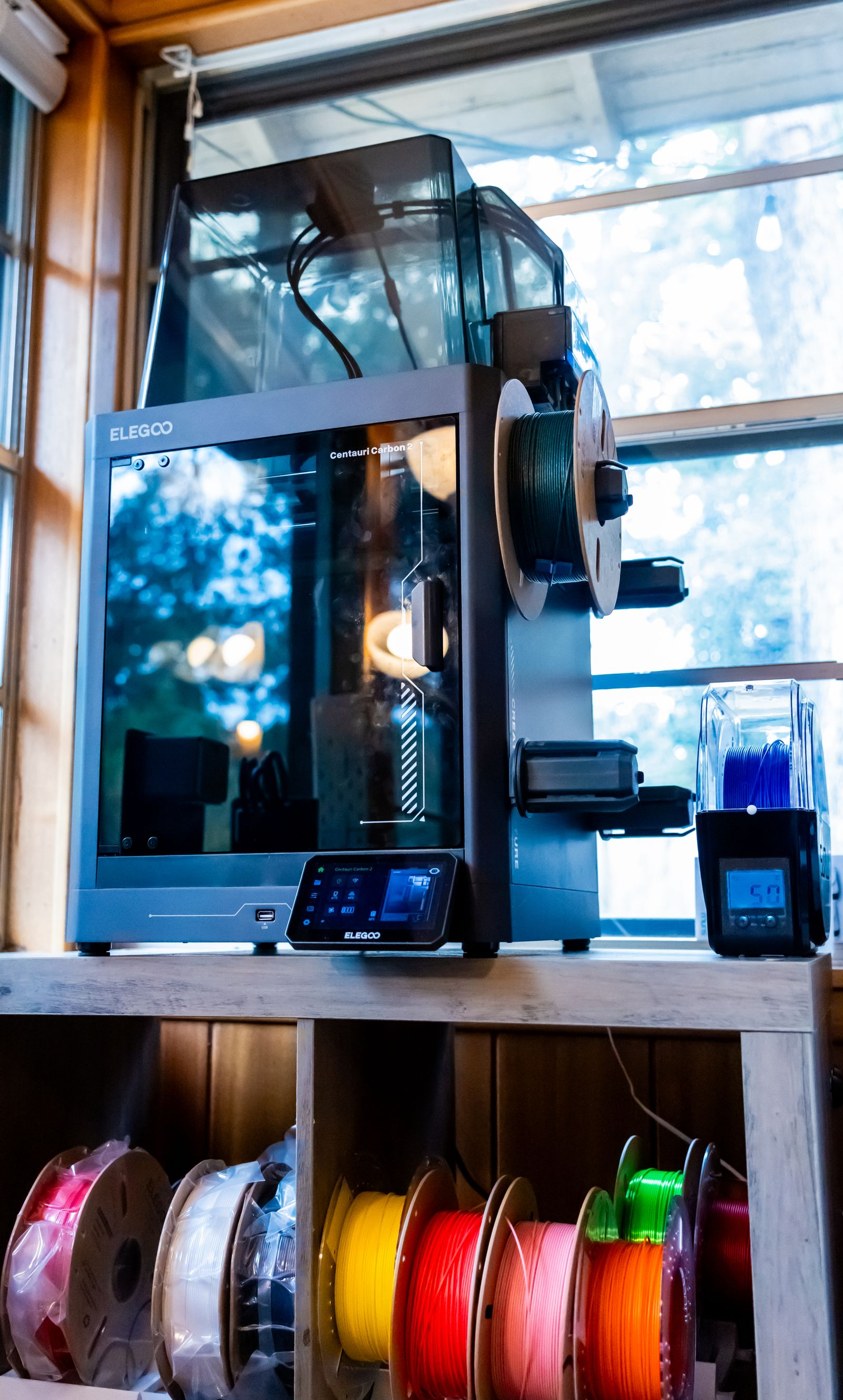
A spool label should answer three immediate questions: what is this material, which setup was used with it, and what has happened to it since opening? The manufacturer's original label supplies part of that information. Keep it visible rather than replacing it with a colour name that loses the polymer and product identity.
Add a small project label with the opening date, your storage location and the name of a working profile if one has been established. Include the exact material variant. Matte PLA, ordinary PLA and a filled product can share a colour while requiring different considerations. A label such as “grey” is not enough to select the next print setup.
Prusa's filament guidance distinguishes keeping material dry from actively drying material that has absorbed moisture. Store according to the supplier's instructions, using suitable sealed storage and desiccant where appropriate. If drying is needed, follow the requirements for both the material and spool; do not improvise a temperature from a different polymer or assume a household oven is a controlled filament dryer.
Record any drying treatment with its date and method. That note helps interpret a later result, but it is not a permanent certificate that the filament remains dry. Keep storage conditions and time out of the container in mind. A humidity indicator inside a box describes that environment, not necessarily the moisture content throughout the filament.
Secure the loose end in the spool's intended retaining feature before storage so that it does not slip beneath other turns. Avoid wrapping a label around the filament where it could feed into the machine. Put the written information on the spool or container, and transfer it if the storage container is reused.
For partially used spools, add a rough remaining quantity only if you know how it was estimated. A weighed remainder based on a known empty spool mass is different from a visual guess. Mark uncertain values accordingly. Before a long print, check the material again rather than relying on an old pencil note. A useful label preserves identity and history while leaving uncertain conditions visibly uncertain.
Another detail to explore
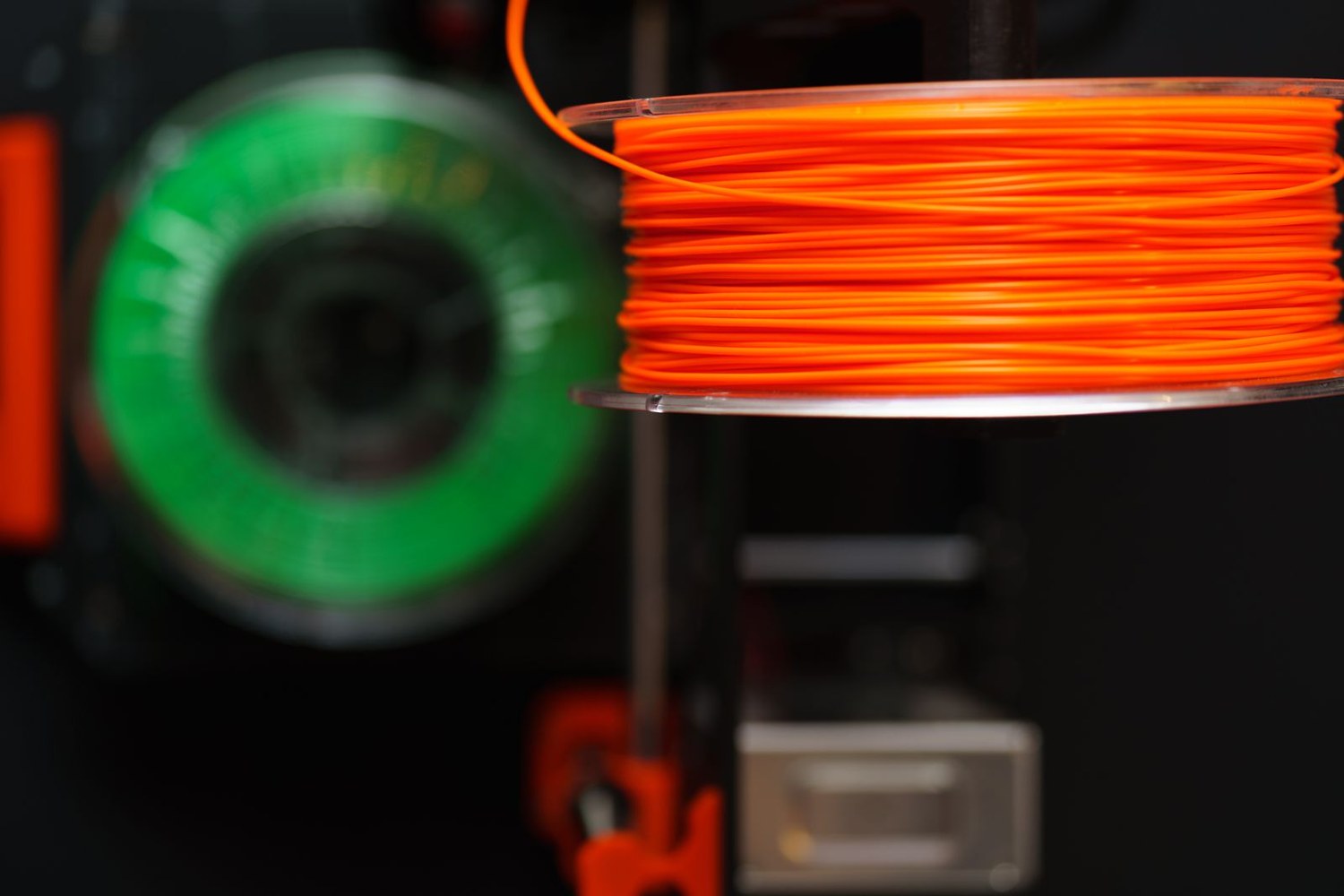
Choose between PLA and PETG for an indoor model
Choose material around handling, shape and finishing rather than treating one polymer as a universal upgrade.
Read article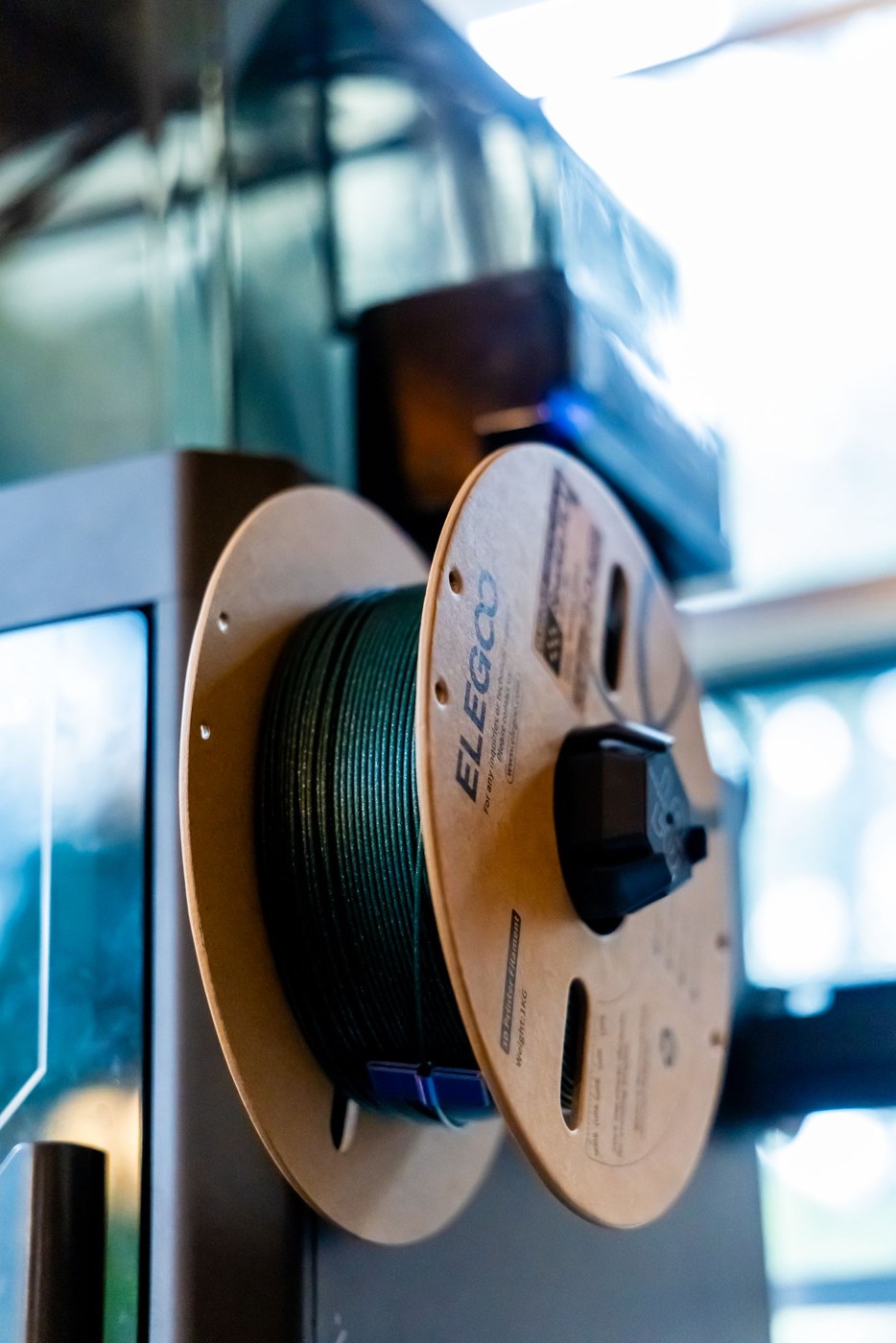
Read a filament spool label before ordering
Check compatibility, quantity and product identity before comparing filament prices.
Read article